how a radon mitigation system works
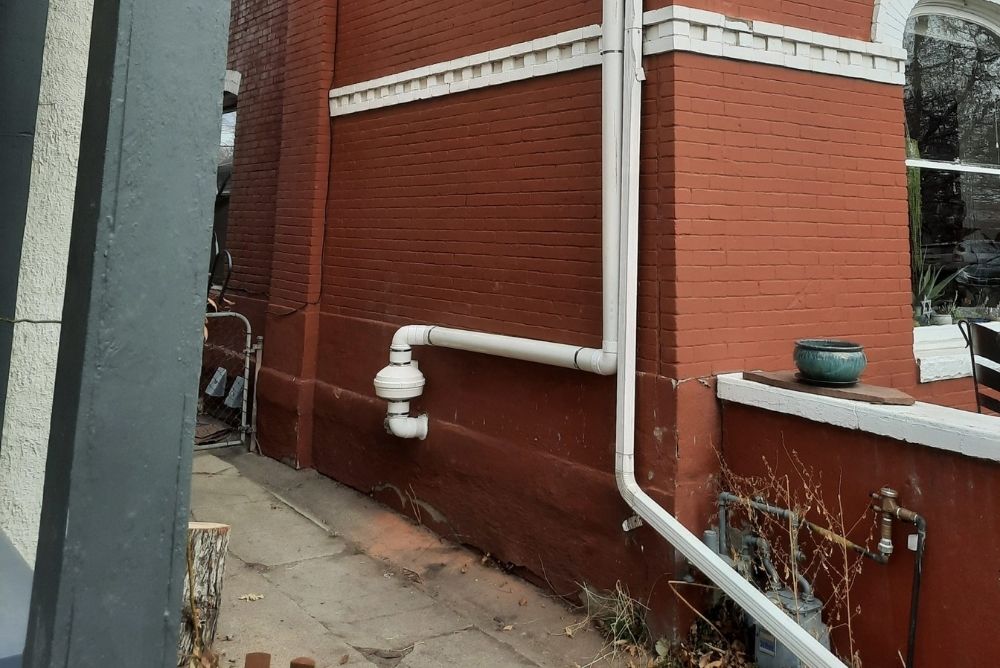
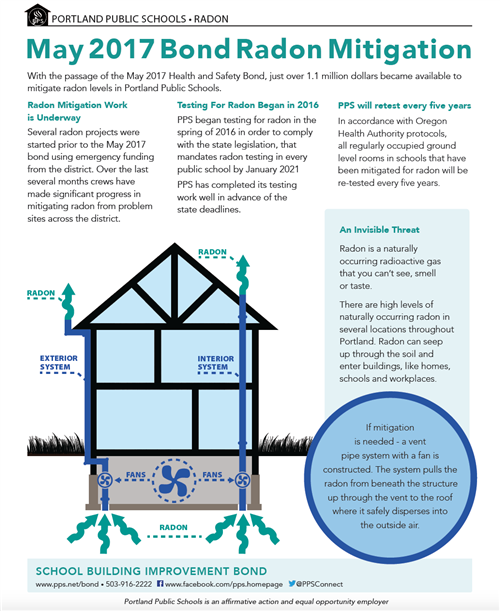
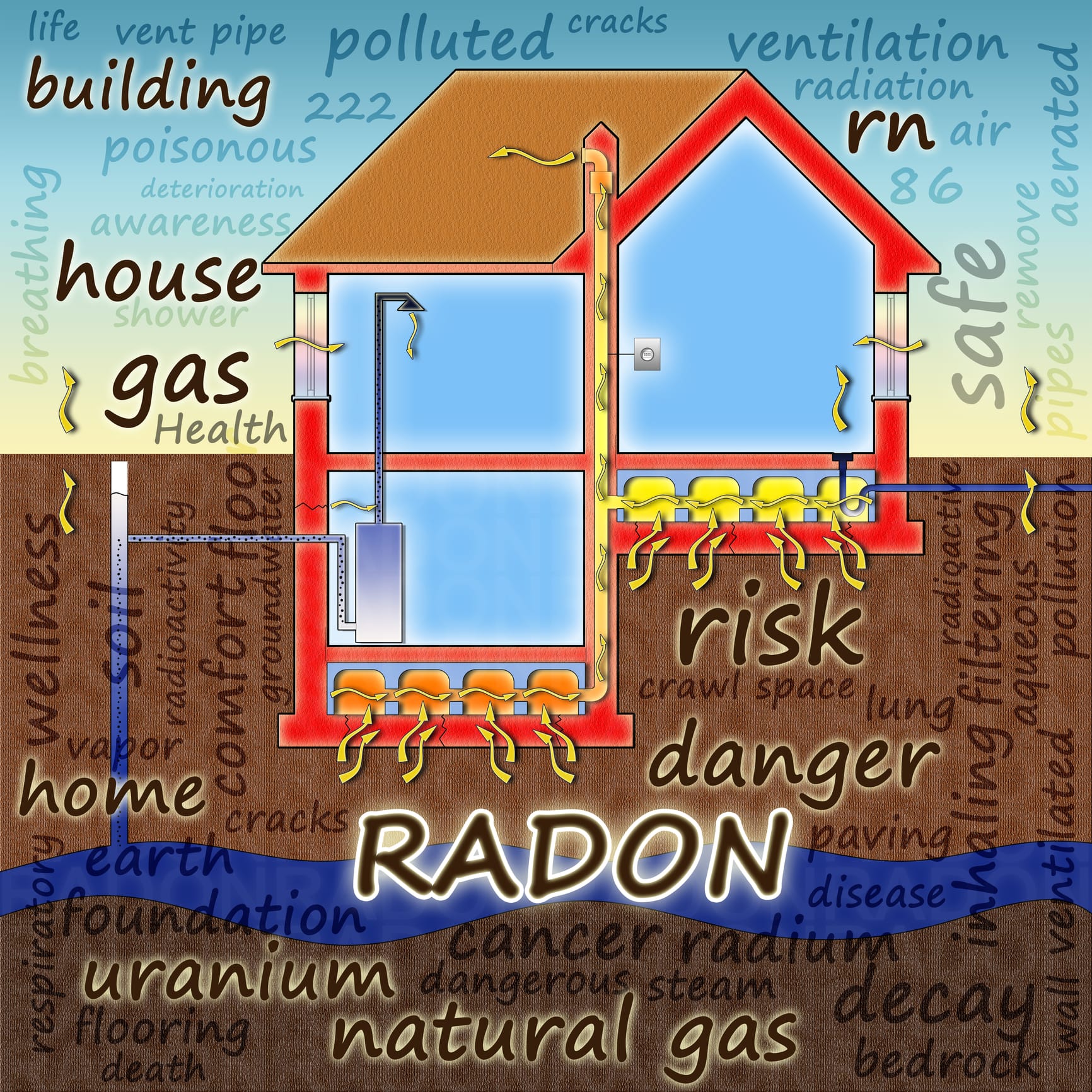
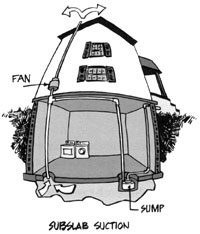
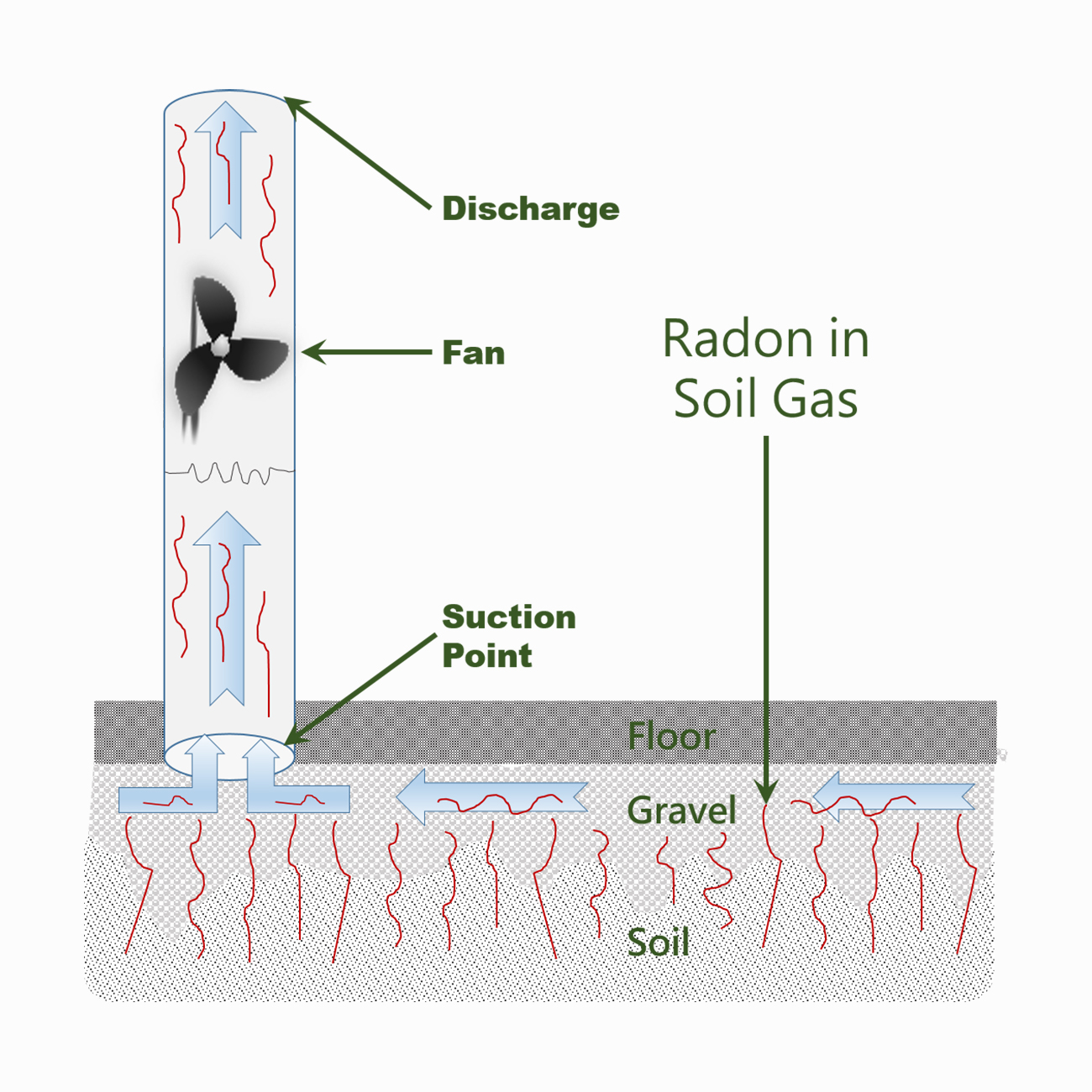
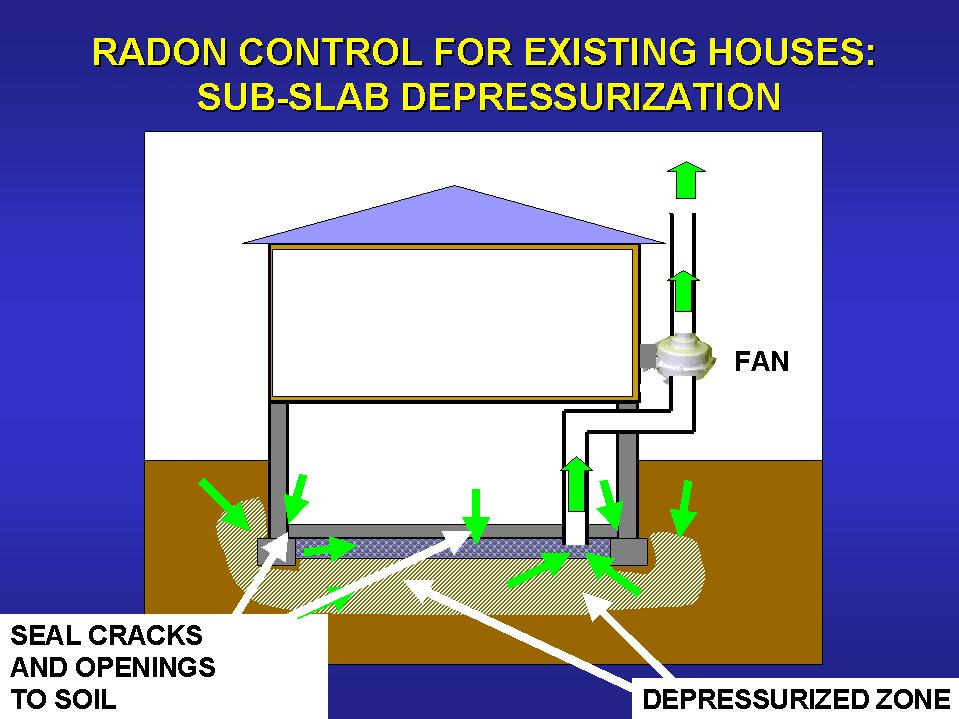
A radon mitigation system works by creating suction under your home. A radon mitigation system reduces the concentrations of radon gas in a building.
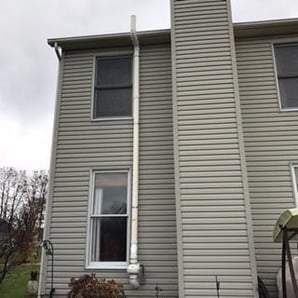
What Is The Difference Between A Passive And Active Radon Mitigation System
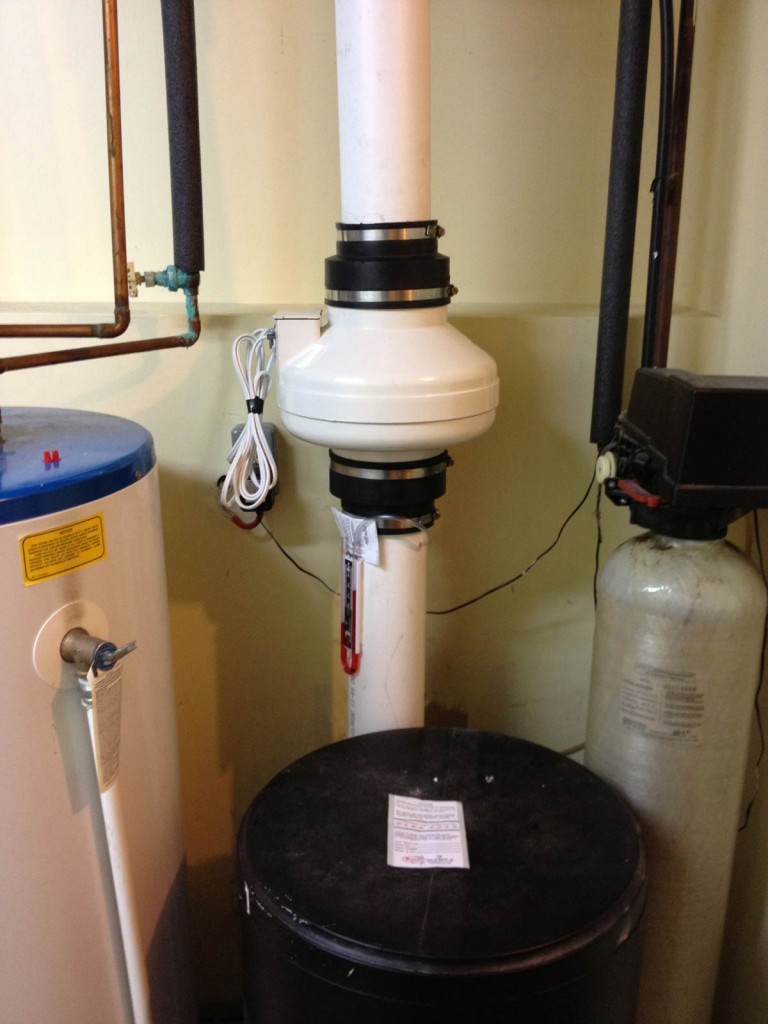
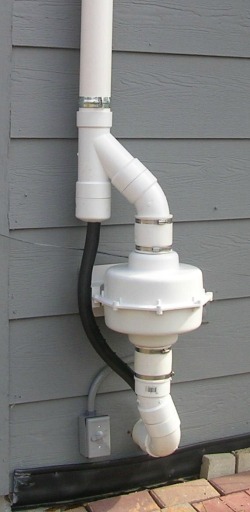
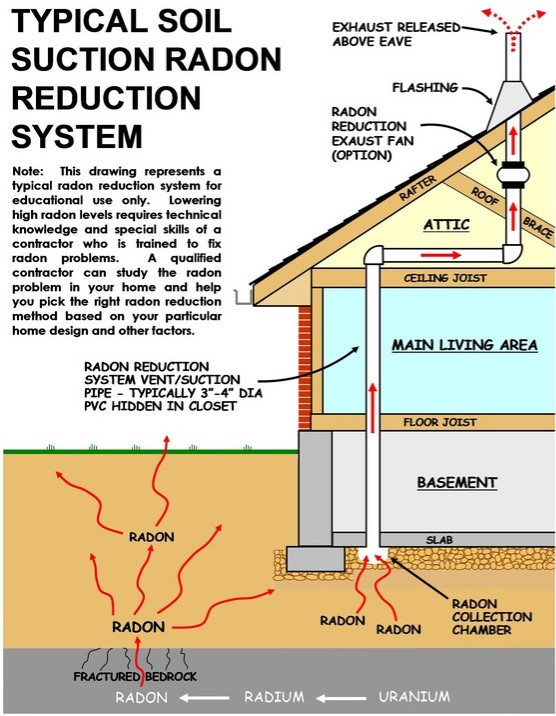
The key components are a suction point s a vent pipe and a radon fan.

. The most common method of radon mitigation is a sub-slab depressurization SSD system. First lets discuss dire details regarding the titular gas. An explanation and review of a simple and typical radon gas mitigation system from basement to roof.
Radon suction pipes are installed in the collection. Radon is a significant contributor to. Standard radon reduction systems are usually effective within 24 hours and.
A radon mitigation system is an improvement to the home. A radon gas collection chamber is created by removing soil from this area to create greater surface area to suck out the radon gas. The primary benefit is reducing the risk of developing lung cancer.
A passive radon mitigation system. This is typically installed when a. This is accomplished through a series of venting and air.
An active radon mitigation system uses a fan to move radon outside of the home. One method of radon abatement is to install a radon ventilation system in the home. Radon mitigation can be more.
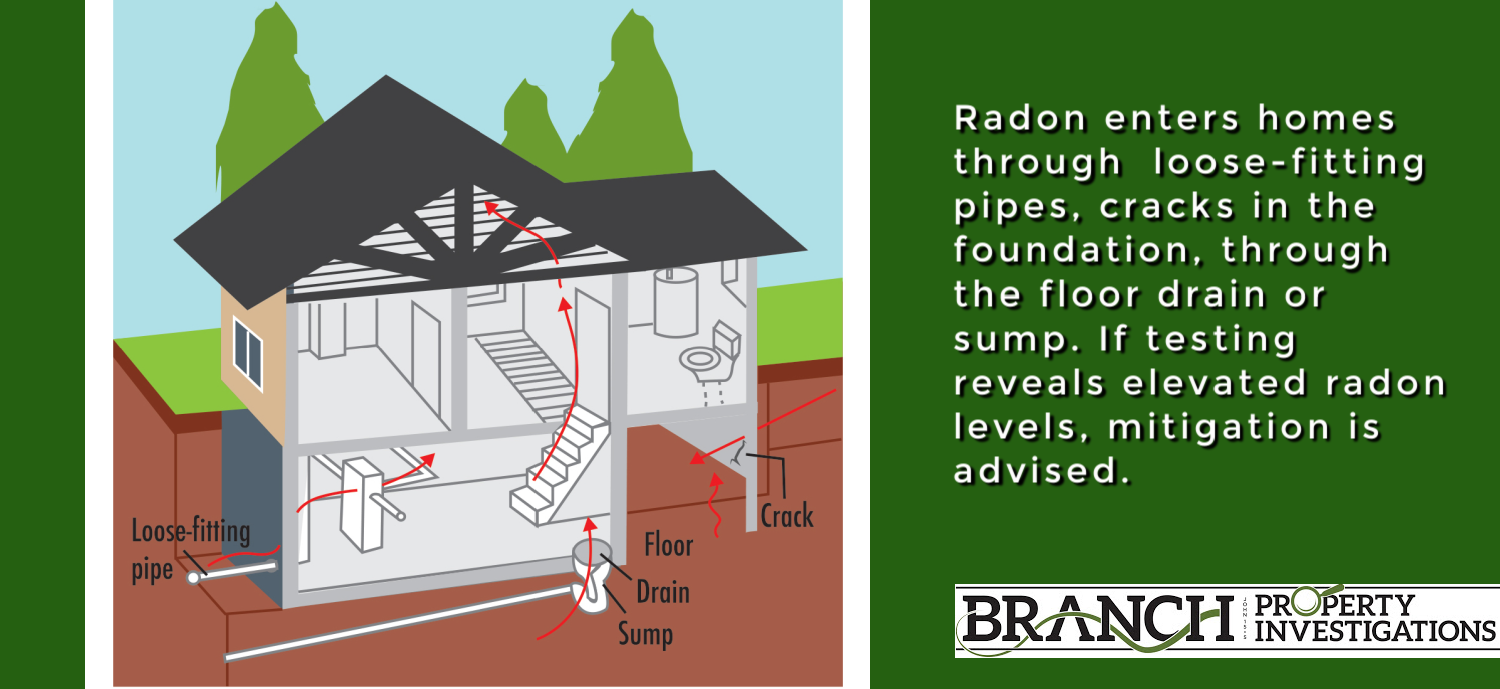
Radon is used be the secondary cause of lung cancer around the world. Radon mitigation is any process used to reduce radon gas concentrations in the breathing zones of occupied buildings or radon from water supplies. Radon is invisible odorless and tasteless.
If youve done a radon test and found a high level of this gas in your home heres how a radon reduction system installed in your basement would work. The pipe can either run inside. How Do Home Radon Mitigation Systems Work.
This explanation shows a typical system installed after. How Do Radon Systems Work. Mitigation of Radon is a very specific process where the Radon gas below the slab of the home is removed to the outside.
How Does a Radon Mitigation System Work. A passive radon mitigation system is one method to prevent radon gas from entering your home. Radon is a naturally occurring gas that can cause health issues in high enough concentrations.
What are the benefits of radon mitigation. Radon remediation can be achieved through a variety of methods. Active radon mitigation.
Most radon mitigation systems consist of a network of pipes and fans that extract radon vapours from beneath your foundation and exhaust them over the roof where they are. Radon mitigation systems use a fan to continuously pull air from the soil and vent it outdoors through a pipe that ends above the edge of the roof. Having a home with a radon mitigation system in place and keeping the levels low will help reduce lung cancer risk.
Passive Radon Mitigation Systems.
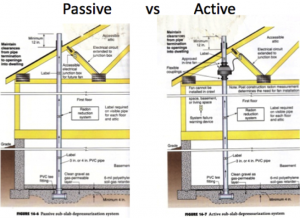
Passive Vs Active Radon Mitigation Systems What S Best Dupage Radon Contractors
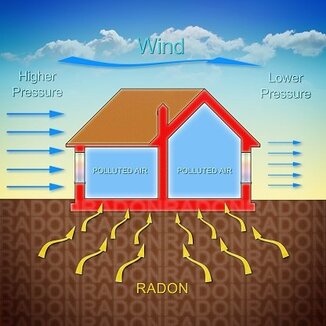
Radon Fans And Systems Faq
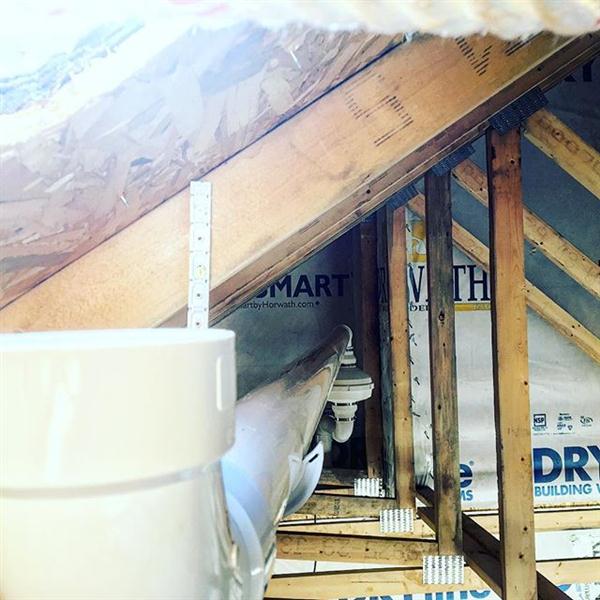
Passive Radon Mitigation System Active Radon Mitigation System Radon Resistent New Home Construction Wisconsin Lifetime Radon Solutions Delafield Wisconsin
Do Radon Mitigation Systems Require Maintenance

U Tube Troubleshooting A Radon Mitigation System Youtube
Bond School Building Improvement Bond Radon Mitigation
Radon Mitigation In Chelsea Radon Testing Experts Radon Works

Radon Mitigation Environmental Works Portland Or
Is Your Radon Mitigation System Labeled Properly Rds Environmental
Radon Mitigation What Is A Radon Mitigation System Extension University Of Nevada Reno
How They Work Dupage Radon Contractors

Sump Pump Systems And Radon Gas What You Need To Know Affordable Radon
Do It Yourself Radon Mitigation Help Guide

Side Wall Radon Mitigation System For Existing Homes Contracting Business
How Does Radon Mitigation Work Branch Property Investigations
Reducing Radon In Your Home National Radon Program Services
What Kind Of Radon Reduction System Is Best Trinity Electrical Services Inc
.jpg)
Reliable Radon Reviews Ellicott City Md Angi

How Does A Radon Mitigation System Work